
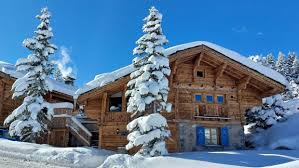
Why are snow-guaranteed locations driving chalet demand?
Data from alpine tourism boards shows that ski areas with reliable snowfall or advanced snowmaking systems attract longer seasons and higher visitor numbers. Buyers increasingly prioritize elevation, north-facing slopes, and proximity to glaciers because these factors correlate with consistent winter operations. As a result, ski chalets in snow-secure destinations tend to show stronger occupancy rates and reduced seasonal risk.
Which geographic factors define a snow-guaranteed chalet location?
Statistics indicate that resorts above 1,800 meters benefit from lower average winter temperatures and higher natural snowfall. Long-term climate records also highlight the importance of microclimates, such as valleys sheltered from warm winds. Properties positioned near high-altitude lift networks or year-round glaciers often maintain ski access even during variable winters, making them more resilient assets.
How do snow-reliable chalets perform as investments?
Market reports suggest that chalets in prime snow-assured areas experience steadier rental income compared to lower-altitude alternatives. Winter occupancy rates frequently exceed 70% during peak months, while summer mountain tourism adds a secondary revenue stream. This dual-season appeal supports more balanced annual returns and enhances long-term capital preservation.
What amenities are most common in top-performing ski chalets?
Buyer surveys show rising demand for wellness and comfort features that extend stays regardless of weather conditions. High-quality insulation, energy-efficient heating, private spa areas, and panoramic glazing are now standard expectations. These features not only improve guest satisfaction but also contribute to higher average nightly rates, particularly in premium snow-guaranteed resorts.
How important is accessibility when evaluating prime ski locations?
Transport data reveals that chalets within 90 minutes of major airports or rail hubs command stronger interest. Easy access reduces travel friction, especially for international visitors planning short winter breaks. Locations combining snow certainty with efficient transport links consistently rank higher in buyer preference studies.
Are sustainability trends influencing chalet development?
Environmental statistics point to increased adoption of sustainable building practices in alpine regions. Developers are integrating renewable energy systems and low-impact materials to meet regulatory standards and buyer expectations. In snow-secure locations, sustainability enhances long-term viability by aligning properties with evolving environmental policies.
What outlook do current trends suggest for buyers?
Forecasts indicate continued demand for ski chalets in snow-guaranteed areas as climate awareness grows. Buyers are focusing less on speculative snowfall and more on measurable reliability supported by historical data. This shift suggests that prime, snow-secure chalets will remain a preferred choice for both lifestyle buyers and investors seeking stability.