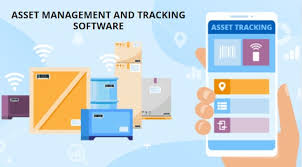

Construction projects are inherently complex, involving multiple teams, schedules, budgets, and resources. To streamline these processes and ensure projects are completed on time and within budget, construction companies increasingly rely on Management construction software. This technology provides a centralized platform to plan, execute, and monitor construction projects efficiently.
Key Features of Construction Management Software
Construction management software offers a wide range of features that address the unique challenges of the industry. Project scheduling tools help managers allocate tasks, track progress, and identify potential delays. Budgeting and cost estimation modules allow teams to control expenses and forecast financial requirements accurately. Additionally, resource management features ensure that materials, equipment, and labor are used optimally, reducing waste and improving efficiency.
Document management is another essential aspect of construction software. It allows teams to store and share contracts, blueprints, permits, and other critical documents in a secure, easily accessible digital environment. Mobile accessibility is increasingly common, enabling on-site personnel to update project status, submit reports, and communicate in real-time with office teams.
Benefits of Using Construction Management Software
One of the primary benefits of construction management software is improved collaboration. By centralizing information and providing real-time updates, all stakeholders—from project managers to subcontractors—can stay aligned, minimizing miscommunication. Enhanced data accuracy and reporting tools also help in making informed decisions quickly, reducing errors and rework.
Time and cost efficiency are additional advantages. Automated scheduling, alerts, and reminders help prevent delays, while integrated budgeting tools allow for proactive cost management. Construction software also improves accountability, as task assignments, timelines, and progress reports are documented and easily traceable.
Choosing the Right Software
Selecting the right construction management software depends on project size, company needs, and budget. Cloud-based solutions are ideal for companies with multiple project sites, offering flexibility and remote access. Some software is highly specialized, focusing on areas such as project estimation, while others provide comprehensive end-to-end solutions covering every aspect of construction management.
Before investing, companies should consider factors like user-friendliness, integration capabilities with existing tools, scalability, and vendor support. Reading reviews, requesting demos, and consulting with IT specialists can help ensure the software aligns with operational requirements.
Conclusion
Management construction software is transforming the construction industry by enhancing efficiency, collaboration, and accountability. By leveraging these tools, construction companies can better manage resources, reduce costs, and deliver high-quality projects on schedule. As technology continues to evolve, the adoption of robust construction management solutions will become increasingly essential for staying competitive in a fast-paced industry.